Guides/
    loans

    What Credit Score Is Required for a Personal Loan in 2026?

    Lenders use FICO scores from 300 to 850 to price personal loans. Higher scores unlock lower rates, while scores below 580 may require subprime lenders.

    By BankMinistry Editorial Team ยท Reviewed August 2026

    Published 8/11/2026ยท5 min read
    What Credit Score Is Required for a Personal Loan in 2026?

    Overview

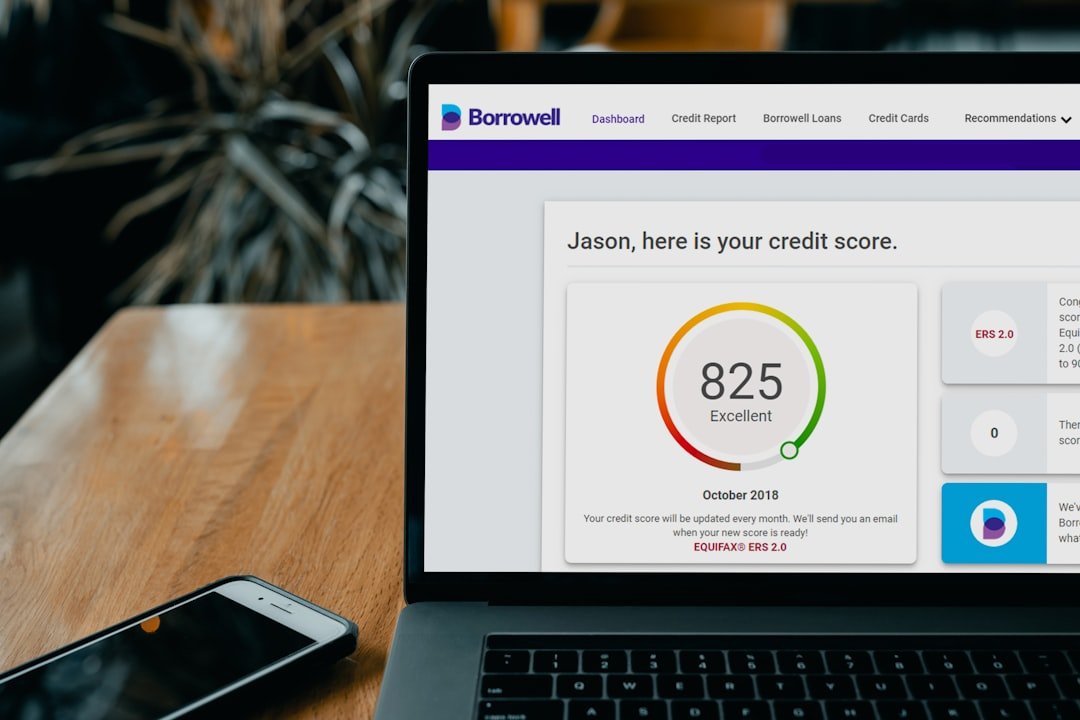
    graphical user interface, website
    Photo by PiggyBank on Unsplash

    Quick answer: Most lenders approve personal loans for borrowers with FICO scores of 580 or higher, but rates and terms vary widely by tier. Scores above 720 typically qualify for the lowest rates, while scores below 640 may face higher APRs or require a cosigner.

    Key Takeaways

    • FICO scores of 720 or above qualify for prime rates at most banks and credit unions.
    • Scores between 640 and 719 fall into near-prime territory with moderate rates and terms.
    • Scores between 580 and 639 may require subprime lenders or secured loan options.
    • Scores below 580 often face denial or extremely high APRs, sometimes exceeding 36 percent.

    ๐Ÿ’ณ What credit score ranges do lenders use?

    Lenders rely on FICO Score 8 or FICO Score 9, which range from 300 to 850. Fair Isaac Corporation publishes these models, and the three major credit bureaus (Equifax, Experian, TransUnion) provide the underlying data. Each bureau may report a slightly different score for the same person.

    The Federal Trade Commission under the Fair Credit Reporting Act (15 U.S.C. ยง 1681 et seq.) requires bureaus to let you dispute errors. Lenders group scores into tiers. Super-prime borrowers (760 and up) see the best terms, while deep subprime borrowers (below 580) face the highest costs or outright denials.

    FICO RangeCredit TierTypical Loan Terms
    760-850Super-primeLowest APRs, largest loan amounts
    720-759PrimeCompetitive APRs, flexible terms
    640-719Near-primeModerate APRs, standard terms
    580-639SubprimeHigher APRs, smaller loan amounts
    Below 580Deep subprimeVery high APRs or denial

    ๐Ÿ“Š How do lenders decide on approval and rates?

    Your credit score is one input among several. Lenders also check your debt-to-income ratio, employment history, and monthly income. The Truth in Lending Act (15 U.S.C. ยง 1601) requires lenders to disclose the APR and total cost of credit before you sign.

    A borrower with a 680 score and stable income may get better terms than someone with a 720 score but high existing debt. Credit unions often offer more flexibility than online lenders. Banks and online platforms use automated underwriting, while credit unions may review applications manually and consider membership history.

    Lenders pull a hard inquiry when you apply, which can lower your score by a few points. The Consumer Financial Protection Bureau notes that multiple loan inquiries within a 14 to 45 day window count as a single inquiry for scoring purposes, so you can shop rates without compounding damage. Visit https://bankministry.com/personal-loans to compare offers from multiple lender categories.

    โš ๏ธ What happens if your score is below 640?

    Subprime lenders specialize in borrowers with scores between 580 and 639. These lenders charge higher APRs to offset default risk. Some require collateral, such as a vehicle title or savings account pledge. Others cap loan amounts at $5,000 or less and shorten repayment terms to 24 or 36 months.

    If your score sits below 580, most mainstream lenders will decline your application. Alternatives include secured personal loans, credit-builder loans, or asking a creditworthy friend or family member to cosign. A cosigner with a strong score can help you qualify, but that person becomes legally responsible if you default.

    Payday lenders and high-cost installment lenders may approve borrowers with very low scores, but APRs often exceed 100 percent. The Military Lending Act (10 U.S.C. ยง 987) caps rates at 36 percent for active-duty service members and their families. Several states enforce similar caps for all residents, but enforcement varies. Check your state banking department website for local rate limits before signing.

    ๐Ÿ” How can you improve your score before applying?

    Paying down credit card balances below 30 percent of your limit can raise your score within weeks. FICO weighs credit utilization heavily. Disputing errors on your credit report can also help. The Fair Credit Reporting Act gives you the right to challenge inaccurate information, and bureaus must investigate within 30 days.

    Adding a mix of credit types (installment loans and revolving credit) can boost your score over time. Avoid opening multiple new accounts in a short window, as each hard inquiry and new account lowers your average account age. If you have no credit history, consider a secured credit card or a credit-builder loan from a credit union.

    • Request free reports from AnnualCreditReport.com once per year from each bureau.
    • Set up autopay for all bills to avoid late payments, which stay on your report for seven years.
    • Keep old accounts open to maintain a longer credit history, even if you no longer use them.
    • Use a personal loan calculator to model monthly payments at different score tiers before you apply.

    โœ… Do all lenders use the same credit score model?

    No. Most personal loan lenders use FICO Score 8, but some use FICO Score 9 or VantageScore 3.0. VantageScore ranges from 300 to 850 like FICO, but it weighs factors slightly differently. For example, VantageScore may penalize late payments less harshly than FICO if you have otherwise strong credit.

    Mortgage lenders often use older FICO models (FICO 2, 4, or 5), which can produce scores 20 to 40 points different from FICO 8. Auto lenders sometimes use FICO Auto Score, which emphasizes your history with car loans. When you check your score through a free service or your bank, confirm which model you are viewing.

    The CFPB announced in June 2026 a joint final rule on adopting uniform standards for reporting financial data, which may eventually standardize how lenders share credit information. Until then, expect slight variation in the score each lender sees. For definitions of credit terms and score models, consult the BankMinistry glossary.

    โ“ Frequently Asked Questions

    Can I get a personal loan with a 620 credit score?

    Yes, many subprime lenders and some credit unions approve borrowers with scores in the 620 range, but expect higher APRs and smaller loan amounts than prime borrowers receive.

    Will applying for a personal loan hurt my credit score?

    Each application triggers a hard inquiry, which may lower your score by a few points temporarily. Multiple inquiries within 14 to 45 days for rate shopping count as one inquiry under most models.

    What is the minimum credit score most banks require?

    Most traditional banks set a floor around 640 for unsecured personal loans. Scores below that threshold typically require a cosigner, collateral, or application to a subprime lender.

    How long does it take to raise my credit score by 50 points?

    Timelines vary, but paying down high balances and disputing errors can lift scores within one to three months. Building a longer payment history takes six months or more.

    โœ… The Bottom Line

    Lenders approve personal loans across a wide credit spectrum, but your score determines your rate and term options. Scores above 720 unlock prime rates, while scores below 640 push you into subprime territory with higher costs. Improving your score before you apply can save hundreds or thousands of dollars over the life of the loan.

    Review your credit report for errors, pay down revolving balances, and compare offers from banks, credit unions, and online lenders. Use the APR calculator to estimate total interest costs at different score tiers before you commit.

    BankMinistry is not a lender. Approval, rates, and terms determined by lending partners. Not financial advice.

    Run the numbers

    Free calculators to put this guide into practice โ€” no sign-up, no credit impact.

    Browse all calculators โ†’

    Sources

      Last updated: 2026-08-11