Guides/
    loans

    What Credit Score Do You Need for a Personal Loan in 2026?

    Personal loan approval typically requires a FICO score of 580 or higher, though better scores unlock lower rates. We explain the thresholds and how to check yours.

    By BankMinistry Editorial Team Β· Reviewed July 2026

    Published 7/20/2026Β·7 min read
    What Credit Score Do You Need for a Personal Loan in 2026?

    Overview

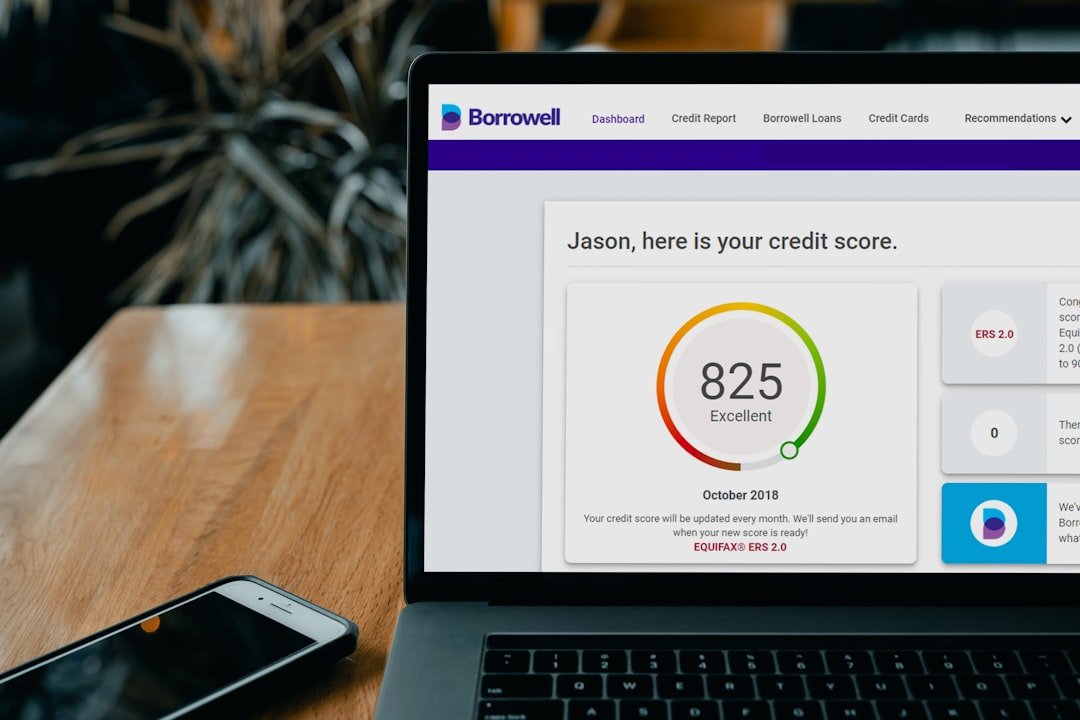
    graphical user interface, website
    Photo by PiggyBank on Unsplash

    Quick answer: Most personal loan lenders require a minimum FICO score between 580 and 660, though some subprime lenders accept scores below 580. Higher scores (720+) qualify you for lower interest rates and better terms.

    Key Takeaways

    • The Fair Credit Reporting Act (15 U.S.C. Β§ 1681) gives you the right to check your credit reports for free once per year from each of the three major bureaus.
    • FICO scores range from 300 to 850, with most personal loan lenders setting minimum thresholds between 580 (subprime) and 660 (mainstream).
    • Lenders pull your credit report from Equifax, Experian, or TransUnion to verify your score and payment history before approval.
    • A soft inquiry (like pre-qualification) does not affect your score, but a hard inquiry (formal application) may lower your score by a few points temporarily.

    πŸ’³ What credit score range do most lenders require?

    Credit unions and online lenders typically set a floor around 600 to 660 FICO for unsecured personal loans. Applicants below this range may still qualify through subprime lenders, but at higher APRs. Banks with prime loan programs often require 660 or better.

    Your score influences both approval odds and the interest rate you receive. A borrower with a 720 FICO might see an APR several percentage points lower than someone at 620, even if both get approved. The difference can add up to hundreds or thousands of dollars in interest over a multi-year term.

    Some specialty lenders market to applicants with scores below 580, but these products often carry annual percentage rates above 30 percent and origination fees. The Truth in Lending Act (15 U.S.C. Β§ 1601) requires lenders to disclose APR and fees in writing before you sign, so always compare the total cost of credit.

    πŸ“Š How do lenders check your credit score?

    Lenders order your credit report from one or more of the three nationwide credit bureaus: Equifax, Experian, and TransUnion. Each bureau maintains its own file on you, compiled from data submitted by creditors, landlords, and public records. FICO and VantageScore are scoring models that translate that raw data into a three-digit number.

    Most personal loan lenders use FICO Score 8 or FICO Score 9, though some rely on VantageScore 3.0 or 4.0. These models weigh five factors:

    • Payment history (35 percent) β€” late payments, defaults, and charge-offs hurt the most.
    • Amounts owed (30 percent) β€” high credit card balances relative to limits lower your score.
    • Length of credit history (15 percent) β€” older accounts help, closing old cards can hurt.
    • New credit (10 percent) β€” multiple hard inquiries in a short window may signal risk.
    • Credit mix (10 percent) β€” a blend of installment loans and revolving accounts is viewed favorably.

    The Fair Credit Reporting Act requires lenders to give you an adverse action notice if they deny your application based on your credit report. That notice must name the bureau and provide contact information so you can request a free copy of the report they reviewed.

    ⚠️ What if your score is below the minimum?

    Applicants with scores under 580 face limited options. Subprime lenders specialize in high-risk borrowers but charge steep rates to offset default risk. Payday loan alternatives through credit unions or nonprofit lenders may offer small-dollar loans (under $2,000) at lower APRs, though not all credit unions participate.

    Secured personal loans β€” backed by a savings account or certificate of deposit β€” can bypass minimum score requirements. You pledge collateral, so the lender has less risk. If you default, the lender takes the pledged funds. Rates on secured loans run lower than unsecured subprime products.

    Another route is a co-signed loan. A co-signer with strong credit agrees to repay the debt if you cannot. Federal Trade Commission guidance (16 C.F.R. Β§ 444.3) requires lenders to give co-signers a specific notice explaining their liability. Missing a payment damages both your credit and the co-signer’s, so this option carries serious responsibility.

    Before applying anywhere, check your own credit reports at AnnualCreditReport.com (the only federally authorized free site under 15 U.S.C. Β§ 1681j). Dispute any errors with the bureau directly. Correcting a mistake β€” like a duplicate account or incorrectly reported late payment β€” can lift your score enough to cross a lender’s threshold.

    πŸ” How much does a hard inquiry hurt your score?

    A hard inquiry (also called a hard pull) occurs when you submit a formal loan application and the lender checks your full credit report. Each hard inquiry may reduce your FICO score by five points or fewer, and the impact fades after a few months. FICO ignores inquiries older than 12 months when calculating your score.

    Rate shopping is protected: FICO treats multiple inquiries for the same type of loan (auto, mortgage, personal) within a 14- to 45-day window as a single inquiry. This lets you compare offers without penalty. Apply to several lenders in quick succession rather than spacing applications over months.

    Inquiry Type Impact on Score When It Occurs
    Soft inquiry None Pre-qualification, background check, you checking your own report
    Hard inquiry Up to 5 points, temporary Formal application for credit (loan, credit card, lease)
    Multiple hard inquiries (same loan type, 14-45 days) Counted as one inquiry Rate shopping for personal loan, auto loan, or mortgage

    Soft inquiries β€” like pre-qualification checks or employer background screenings β€” do not affect your score at all. Many online lenders offer soft-pull pre-qualification on their websites, showing estimated rates without triggering a hard inquiry. Use these tools to gauge your approval odds before you commit to a full application.

    πŸ“ˆ How can you raise your credit score before applying?

    Paying down credit card balances below 30 percent of your limit is the fastest score boost for most borrowers. Credit utilization (your balance divided by your limit) accounts for 30 percent of your FICO score. Dropping from 80 percent utilization to 20 percent can lift your score 20 to 50 points within one billing cycle.

    Set up automatic payments for every bill to avoid late marks. Payment history is the single largest factor in your score. A payment 30 days late stays on your report for seven years under the Fair Credit Reporting Act (15 U.S.C. Β§ 1681c) and can drop your score by 60 to 100 points, especially if you previously had a clean record.

    Do not close old credit cards, even if you no longer use them. Length of credit history matters, and closing an account can shorten your average account age. If the card has an annual fee you want to avoid, ask the issuer to convert it to a no-fee product instead of closing it outright.

    If you have medical debt in collections, check whether it has been removed from your reports. As of July 2022, the three bureaus agreed to exclude paid medical collections from credit reports, and in 2023 they stopped reporting medical debt under $500. Unpaid medical collections over $500 still appear but may be negotiable with the collector before you apply for a loan.

    For a detailed breakdown of how different factors affect your score, visit our credit glossary. You can also use our loan calculator to estimate monthly payments at different APRs and see how a higher score might save you money over the life of the loan.

    ❓ Frequently Asked Questions

    Can I get a personal loan with a 550 credit score?

    Some subprime lenders accept scores as low as 550, but expect high APRs (often above 25 percent) and origination fees. Secured loans or credit union payday alternatives may offer better terms if you qualify.

    Will checking my own credit score lower it?

    No. Checking your own credit report or score is a soft inquiry and does not affect your FICO or VantageScore. You can review your reports as often as you like without penalty.

    How long does it take to improve my credit score?

    Paying down high credit card balances can raise your score within one billing cycle (30 days). Correcting errors on your report may take 30 to 45 days after you file a dispute. Building a positive payment history takes at least six months of on-time payments.

    Do all three credit bureaus show the same score?

    Usually not. Equifax, Experian, and TransUnion may have slightly different information on file, leading to score variations of 10 to 30 points. Lenders typically pull from one or two bureaus, not all three.

    βœ… The Bottom Line

    Most personal loan lenders require a FICO score of 580 to 660 or higher, with better scores unlocking lower APRs and fewer fees. Your score reflects your payment history, debt load, and credit mix, and lenders use it to predict default risk. Checking your own reports and disputing errors can lift your score before you apply.

    If your score falls short, consider secured loans, credit union alternatives, or spending a few months paying down balances and establishing on-time payments. Compare offers using our APR calculator to see the true cost of borrowing at different score tiers, and never accept a loan without reading the full disclosure required under the Truth in Lending Act.

    BankMinistry is not a lender. Approval, rates, and terms determined by lending partners. Not financial advice.

    Run the numbers

    Free calculators to put this guide into practice β€” no sign-up, no credit impact.

    Browse all calculators β†’

    Sources

      Last updated: 2026-07-20