Guides/
    loans

    What the CFPB Complaint System Fix Means for Borrowers

    The CFPB announced major changes to its consumer complaint database in June 2026. Here is what borrowers need to know before filing disputes.

    By BankMinistry Editorial Team Β· Reviewed August 2026

    Published 8/6/2026Β·5 min read
    What the CFPB Complaint System Fix Means for Borrowers

    Overview

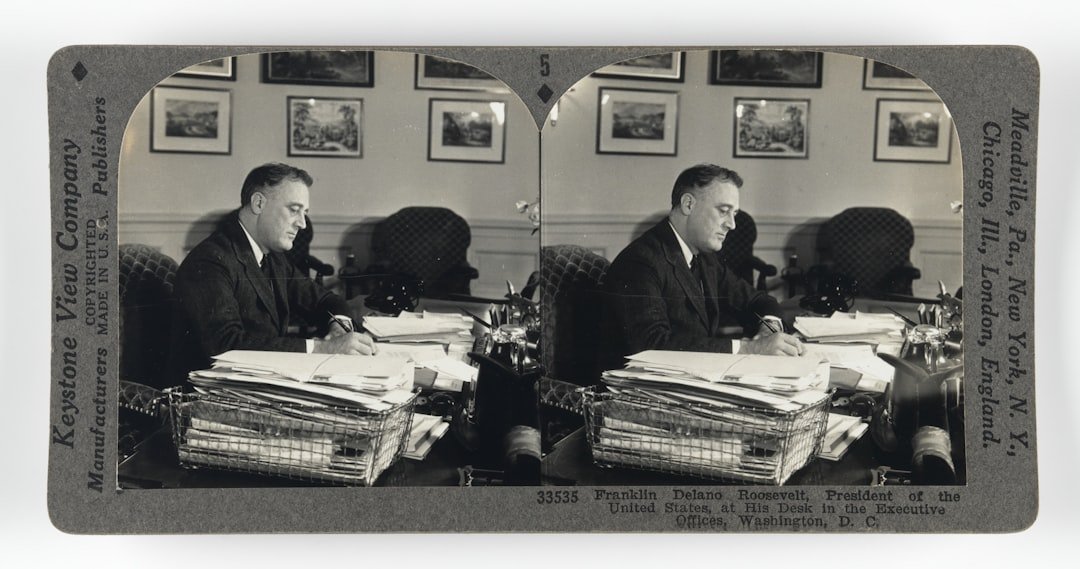
    Franklin d. roosevelt sits at a desk piled with papers.
    Photo by Smithsonian on Unsplash

    Quick answer: The Consumer Financial Protection Bureau announced changes to its complaint system in June 2026 to improve accuracy and restore integrity. Borrowers can still file complaints against lenders, but the CFPB now verifies data more rigorously and removes unsubstantiated claims faster.

    Key Takeaways

    • The CFPB publicly announced complaint system reforms on June 24, 2026 to address accuracy and integrity concerns
    • Borrowers retain the right to file complaints against banks, credit unions, and online lenders through the official CFPB portal at consumerfinance.gov
    • Companies can now challenge complaints more easily, and the CFPB will remove entries that lack supporting documentation
    • Verified complaints still appear in the public database and influence CFPB enforcement priorities and supervisory exams

    πŸ’° What did the CFPB change about complaints?

    On June 24, 2026, the Consumer Financial Protection Bureau announced reforms to its consumer complaint database. The agency cited concerns that some entries lacked adequate verification or contained incomplete information. Under the new process, the CFPB reviews complaints more thoroughly before publication and allows financial institutions to flag entries they believe are inaccurate or fraudulent.

    The complaint database still operates as a public resource. You can search complaints by company name, product type, or issue category at consumerfinance.gov. The CFPB forwards your complaint to the lender within 15 days and requires a response, typically within 60 days. The difference now is that companies have a faster pathway to request removal if they provide evidence that a complaint is unfounded.

    The Bureau emphasized that legitimate complaints will remain visible. If you submit documentation such as account statements, correspondence with the lender, or payment records, your complaint is more likely to stay in the database and influence regulatory scrutiny. The CFPB uses complaint volume and patterns to prioritize which lenders receive supervisory exams and enforcement actions.

    πŸ“Š How do I file a complaint against a lender?

    Visit consumerfinance.gov and click β€œSubmit a complaint.” You will select the product category: personal loan, credit card, mortgage, debt collection, or another option. The online form asks for your account details, the issue you experienced, and what resolution you want. You can upload supporting documents such as loan agreements, billing statements, or email threads.

    The CFPB assigns your complaint a tracking number and forwards it to the company. Federal law under the Consumer Financial Protection Act of 2010 (12 U.S.C. section 5511) requires the lender to respond. Most companies reply within 60 days, either offering a remedy or explaining why they believe the issue does not violate regulations. You can review the company response in your CFPB portal account.

    If the lender fails to respond or you disagree with the resolution, you can update your complaint narrative. The CFPB may open a supervisory review if it sees repeated complaints about the same practice. While the agency does not act as your lawyer or force a specific outcome, a formal CFPB complaint often prompts faster internal escalation than a standard customer service call. Check our glossary for definitions of common lending terms before you file.

    ⚠️ Why does complaint accuracy matter now?

    The June 2026 reforms require borrowers to provide more detail upfront. Vague complaints without supporting facts may be removed faster. If you allege a lender charged an undisclosed fee, attach the loan agreement and the account statement showing the charge. If you claim illegal debt collection calls, note the dates, times, and what the collector said. Specific details make it harder for companies to dismiss your complaint as a misunderstanding.

    Accuracy also protects the database as a research tool. Regulators, journalists, and consumer advocates analyze complaint trends to identify systemic problems. For example, a spike in complaints about a certain online lender charging fees not listed in the Truth in Lending Act disclosure (15 U.S.C. section 1638) may trigger a CFPB investigation. If the database fills with unverified claims, its value as an early-warning system declines.

    The CFPB stated it will continue publishing aggregate complaint data even as it tightens individual entry standards. You can still compare lenders by complaint volume before you apply for a personal loan. Just remember that a high complaint count may reflect company size rather than poor service, so read the narratives and company responses for context.

    πŸ” What happens after I submit a complaint?

    The timeline below shows the typical complaint lifecycle under the revised CFPB process:

    Step Timeframe Action
    Submission Day 0 You file online at consumerfinance.gov and receive a tracking number
    CFPB review Days 1-15 Bureau verifies the complaint meets basic standards and forwards it to the company
    Company response Days 16-60 Lender investigates and submits a written response to you and the CFPB
    Publication After day 60 Complaint appears in the public database unless the company successfully disputes its accuracy

    If the company challenges your complaint, the CFPB may ask you for additional documentation. Respond promptly. Failure to provide supporting evidence within the requested timeframe can result in removal from the database. The Bureau does not make a legal determination of who is right, but it does require both parties to engage in good faith.

    Once published, your complaint remains visible indefinitely unless you request deletion or the CFPB removes it after a successful company challenge. Other borrowers can read your narrative when researching lenders. The complaint also becomes part of the CFPB record for that company, influencing future examinations and enforcement decisions.

    ❓ Frequently Asked Questions

    Can I file a CFPB complaint anonymously?

    No. The CFPB requires your name and contact information to forward the complaint to the lender and allow the company to investigate. Your personal details are not published in the public database, but the lender will see them.

    Does filing a complaint guarantee I will get money back?

    No. The CFPB does not have authority to order refunds or award damages. It facilitates communication between you and the lender. If you want monetary relief, you may need to pursue arbitration, small claims court, or consult an attorney.

    How long does a complaint stay on the CFPB database?

    Complaints remain in the public database indefinitely unless you request removal or the company successfully disputes the accuracy with supporting evidence. The CFPB does not automatically delete old complaints.

    Can I file a complaint about a state-chartered credit union?

    Yes. The CFPB has jurisdiction over credit unions with assets above 10 billion dollars and can accept complaints about smaller credit unions, forwarding them to the appropriate state or federal regulator for action.

    βœ… The Bottom Line

    The June 2026 CFPB complaint system reforms aim to balance borrower access with data accuracy. You can still file complaints against any lender, but the process now demands clearer documentation and allows companies to challenge entries more effectively. Legitimate grievances backed by evidence will remain visible and continue to inform regulatory priorities.

    Before you file, gather your loan agreement, account statements, and any correspondence that supports your claim. A well-documented complaint is harder to dismiss and more likely to prompt a meaningful company response. For help understanding loan terms or calculating costs, visit our loan calculator or explore our glossary of lending terminology.

    BankMinistry is not a lender. Approval, rates, and terms determined by lending partners. Not financial advice.

    Run the numbers

    Free calculators to put this guide into practice β€” no sign-up, no credit impact.

    Browse all calculators β†’

    Sources

      Last updated: 2026-08-06